Rest & Active Recovery
In the world of fitness, we often focus so much on pushing ourselves—whether through intense workouts, lifting heavier, or running longer—that we forget about one of the most essential parts of progress: recovery.
Recovery isn’t just about giving your body a break; it’s a critical part of the overall fitness journey. Without it, your progress can plateau, and in some cases, injuries and setbacks can occur.
In this post, we’ll explore how daily rest, proper rest periods, and knowing when to pull back can enhance your progress and prevent overtraining. Plus, we’ll cover the importance of recovery when dealing with illness or recovering from surgery. Let’s break down the why recovery is so essential for your fitness journey and how to balance it for optimal results.
Why Recovery is Key to Progress in Fitness
Many people believe that pushing their bodies to the limit every day is the key to building strength and endurance. While hard work is undoubtedly important, recovery allows your body to repair, rebuild, and adapt. Here’s why it matters:
- Muscle Repair and Growth: When you exercise, especially during strength training, you create small tears in your muscle fibers. Recovery periods allow these fibers to heal and grow stronger. Without adequate rest, you’re hindering your muscle growth potential.
- Prevention of Overuse Injuries: Consistently working out without giving your body proper recovery time can lead to overuse injuries like tendinitis, stress fractures, and muscle strains. Rest allows your tissues to recover and prevents wear and tear.
- Mental Health and Motivation: Constantly pushing yourself can lead to burnout, making it harder to stay motivated. Recovery, including mental rest, can help maintain your enthusiasm for your fitness goals.
- Hormonal Balance: Continuous exercise without rest can increase cortisol (the stress hormone), which can negatively impact sleep, metabolism, and even muscle recovery. Rest helps regulate these hormones.
Daily Rest: Why It’s Essential
While you don’t need to take full days off every single day, daily rest is still necessary. Here are some daily recovery habits to incorporate:
- Sleep: Sleep is your body’s primary recovery mechanism. It’s during sleep that your muscles repair and your body regenerates. Aim for 7-9 hours of sleep each night to support muscle recovery, hormonal balance, and overall well-being.
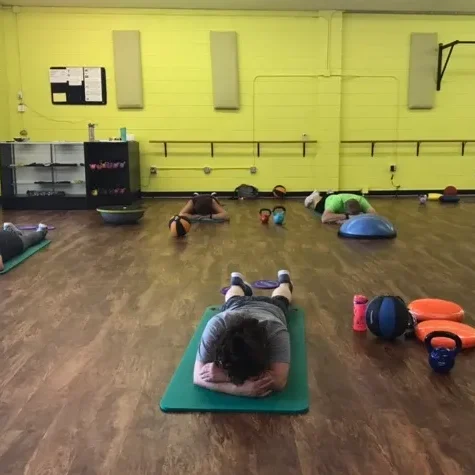
- Active Recovery: On your off days, you can still engage in light activities like walking, yoga, or stretching. These activities promote blood flow and reduce muscle stiffness without putting too much strain on your body.
- Hydration: Proper hydration supports your body’s natural recovery process. Water helps transport nutrients to muscles and removes metabolic waste. Drink plenty of water throughout the day, especially after a workout.
- Nutrition: Eating the right foods helps speed up the recovery process. Ensure you’re consuming enough protein, healthy fats, and carbohydrates. Don’t forget about anti-inflammatory foods like leafy greens, berries, and turmeric, which help reduce muscle soreness.
Knowing When to Rest: Avoiding Overtraining
Overtraining occurs when you push your body too hard without allowing enough time for recovery. This can lead to fatigue, decreased performance, increased risk of injury, and other negative health effects.
Signs of Overtraining:
🐝 Persistent Fatigue: If you’re constantly feeling tired, it might be a sign that you need to pull back.
🐝 Decreased Performance: Struggling to lift weights you usually can or losing endurance could signal that your body needs rest.
🐝 Increased Injuries: If you’re frequently getting injured, your body isn’t recovering properly.
🐝 Mood Swings and Irritability: Overtraining can also affect your mood, causing you to feel overly stressed or anxious.
If you experience any of these symptoms, it’s important to scale back your workouts, focus on rest, and possibly seek guidance from a coach or trainer.
Rest Due to Illness or Surgery Recovery
When you’re ill or recovering from surgery, it’s vital to give your body ample time to heal.
- Resting While Ill: Exercise can put stress on your immune system, which is already compromised when you’re sick. Depending on the severity of your illness, it may be best to focus solely on recovery. Listen to your body—if you feel weak or fatigued, rest is more important than pushing through a workout.
- Recovery After Surgery: Whether it’s a minor procedure or a major surgery, recovery is crucial. After surgery, the body needs time to heal, and jumping back into intense exercise too soon can lead to setbacks or even injury. Work with your healthcare provider to determine when it’s safe to return to exercise. Start slow with light activities, and gradually build back up as your body heals.
How to Structure Your Rest Periods During Exercise
Incorporating proper rest into your training plan is just as important as the workouts themselves. Here are some guidelines for effective rest periods:
- Between Sets: For strength training, take 1-3 minutes of rest between sets, depending on your goals. For endurance or hypertrophy, shorter rest periods (30-90 seconds) can help maintain intensity.
- Between Workouts: Ideally, you should take at least 1-2 full rest days each week, especially if you’re engaging in high-intensity or heavy lifting. On rest days, focus on active recovery such as yoga, stretching, or a leisurely walk.
- Rest Weeks: Every 4-6 weeks, take a “deload” week where you reduce the intensity of your workouts to give your body time to fully recover. This helps prevent overtraining and mental burnout.
Why Recovery is Vital to Your Fitness Journey
As you work toward your fitness goals—whether it’s building strength, losing weight, or improving athletic performance—don’t forget that recovery is just as important as the work itself. It’s through recovery that your body becomes stronger, more resilient, and more capable of handling the next challenge.
A well-rested body will outperform an overtrained one every time.
Remember, recovery doesn’t mean giving up or slacking off—it means giving your body the time and support it needs to repair and grow stronger. So next time you’re feeling exhausted or your body is telling you it’s time for a break, listen to it. Your fitness journey will thank you for it.
Let’s Talk About It
Have you struggled with overtraining, or have you had to recover from an illness or injury? Share your experience with me in the comments below, or send me a message. We’re all in this together, and it’s important to remind each other that recovery is part of the process.